



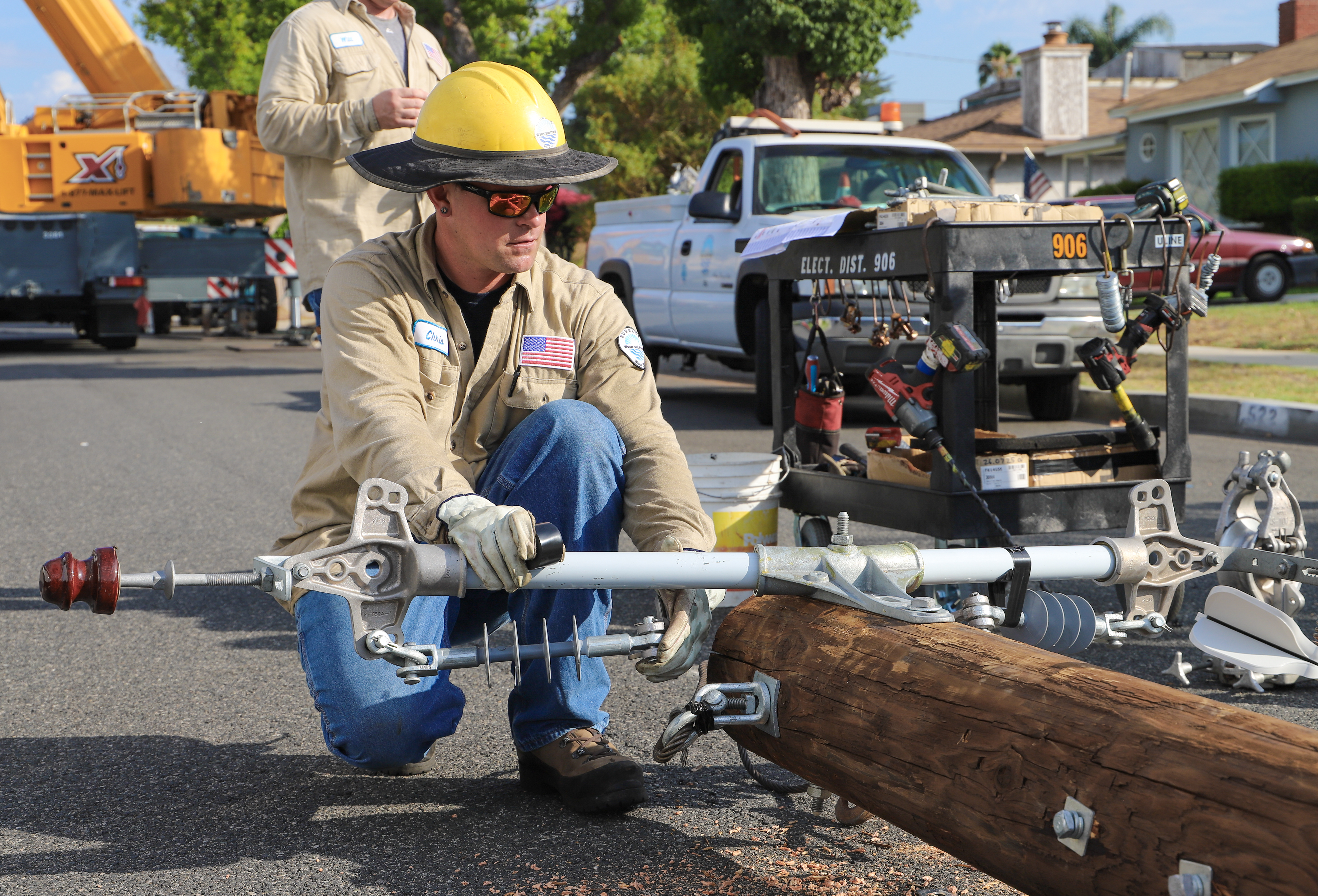
Higher Voltage Lines Will Improve Reliability
Improving Reliability - 12 kV lines have much more much power capacity as 4 kV lines. The higher capacity will improve reliability for Burbank residents and businesses by allowing more power to be delivered to the customer to help meet their electricity demand.
Reducing Outage Times - When an outage occurs, higher voltage lines will enable BWP crews to restore power faster by re-routing impacted customers to an adjacent circuit while making repairs. The higher capacity of the 12 kV circuits also provides more options to divert power to other sources when needed.
Help Meet the City's Zero-Carbon Energy Goals - Burbank must meet the state mandate to have 60% renewables by 2030 and a 100% greenhouse gas (GHG)-neutral energy portfolio by 2045. 12 kV lines will help facilitate connecting more renewable power, like solar, to the grid. 12 kV will also increase the City's capacity to support electric vehicle charging in homes and businesses throughout Burbank, further reducing emissions in the community caused by transportation.
Upgrading Burbank to 12kV One Area at a Time
Fully converting Burbank to 12 kV is a multi-year process. BWP will be performing a series of projects to
upgrade the city one area at a time. The utility will focus on upgrading areas most vulnerable to voltage
issues or where power cannot easily be re-routed during a power outage.
Below is a summary of the project phases that customers can expect for a 12 kV upgrade.
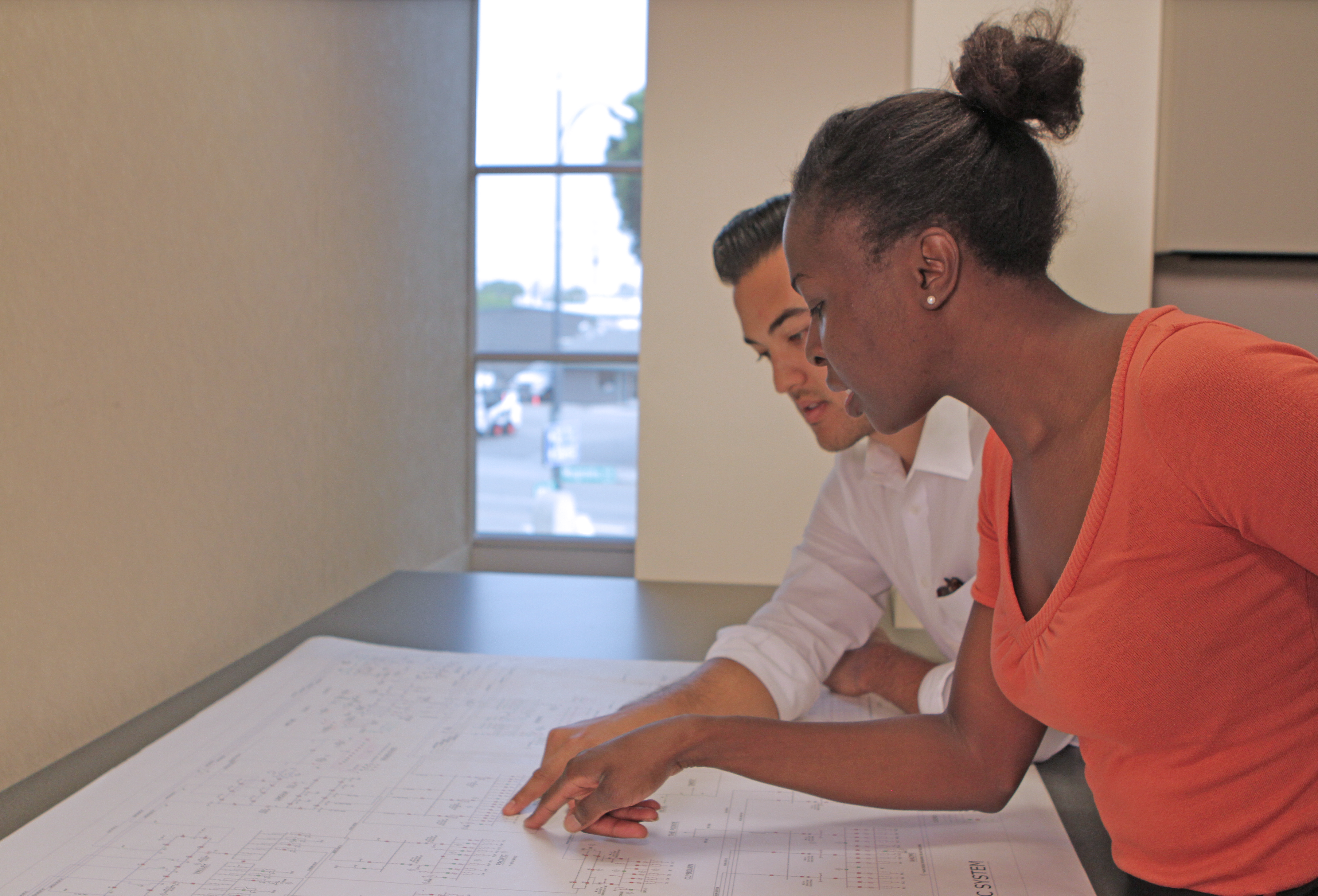
Phase 1 — Engineering
BWP staff visits the project area identified for the 12 kV conversion. The BWP team will verify that the infrastructure information is correct and note any relevant site conditions for the initiative.
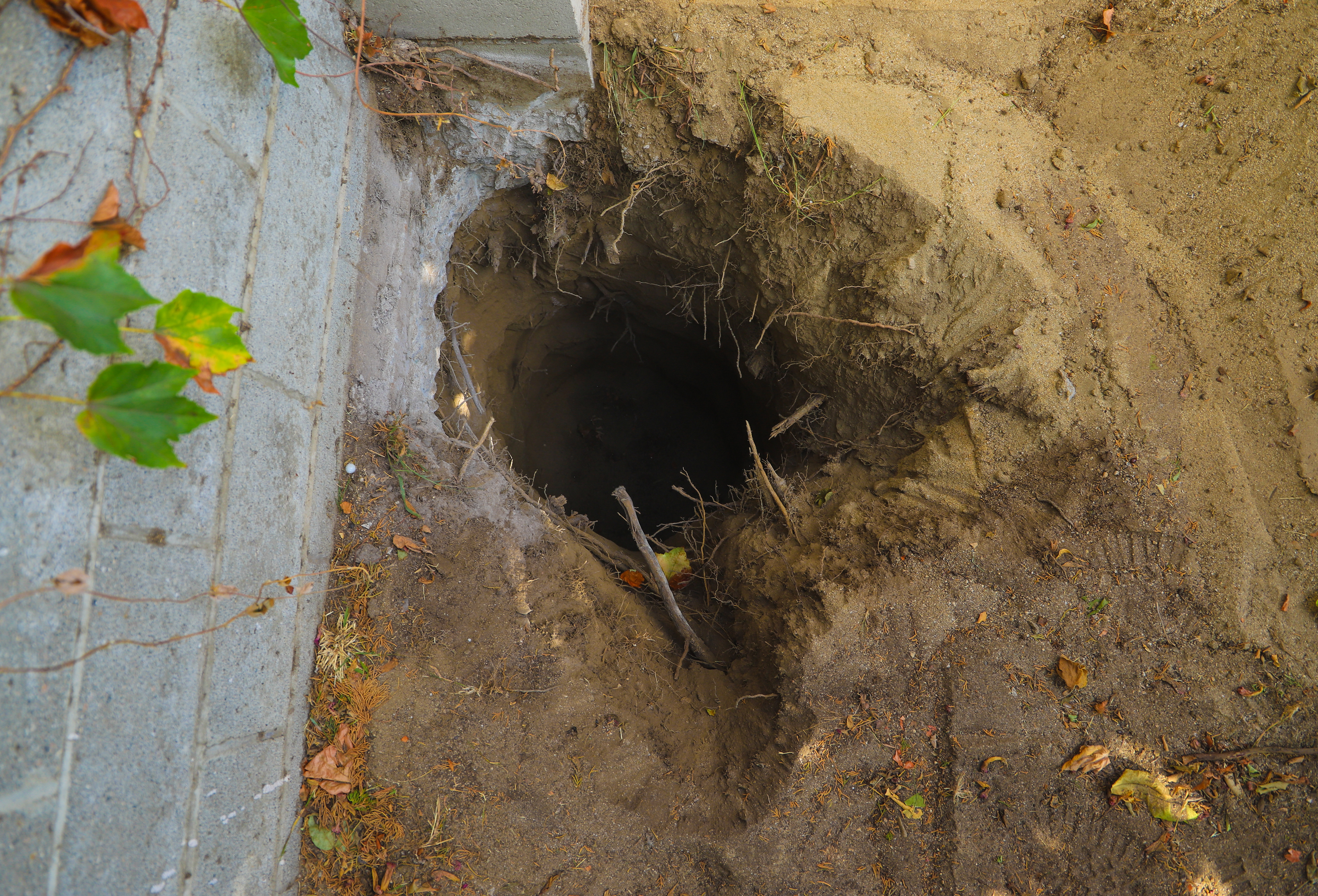
Phase 2 — Construction Preparation
In the second phase, BWP staff will prepare the selected sites for construction, including digging holes for new wood utility poles and tree trimming as needed.
Work will be performed and completed as quickly as safe work practices permit. BWP will also maintain a clean and safe worksite.
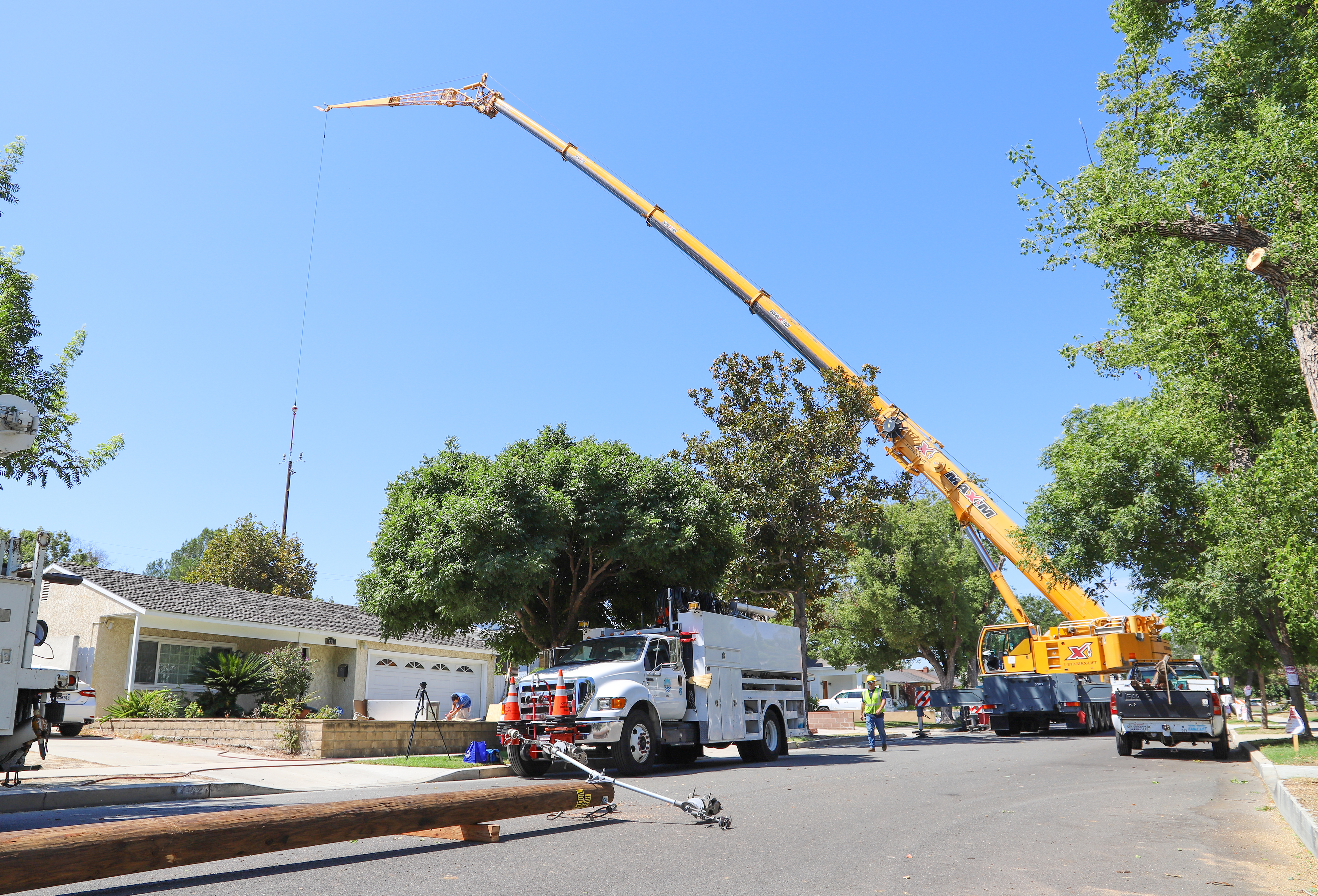
Phase 3 — Pole Set and Construction
In this phase, BWP staff and selected contractors will place new equipment at the selected sites. This includes wood pole, transformer, and wire installation. A crane may be set up to place the wood poles into their planned locations. For safety purposes, parts of the street may need to be closed or partially blocked while work is performed.
Once the poles are set, the crews will work on transferring lines from the old pole to the new pole. This will require a short power outage, and BWP crews will notify affected customers in person.
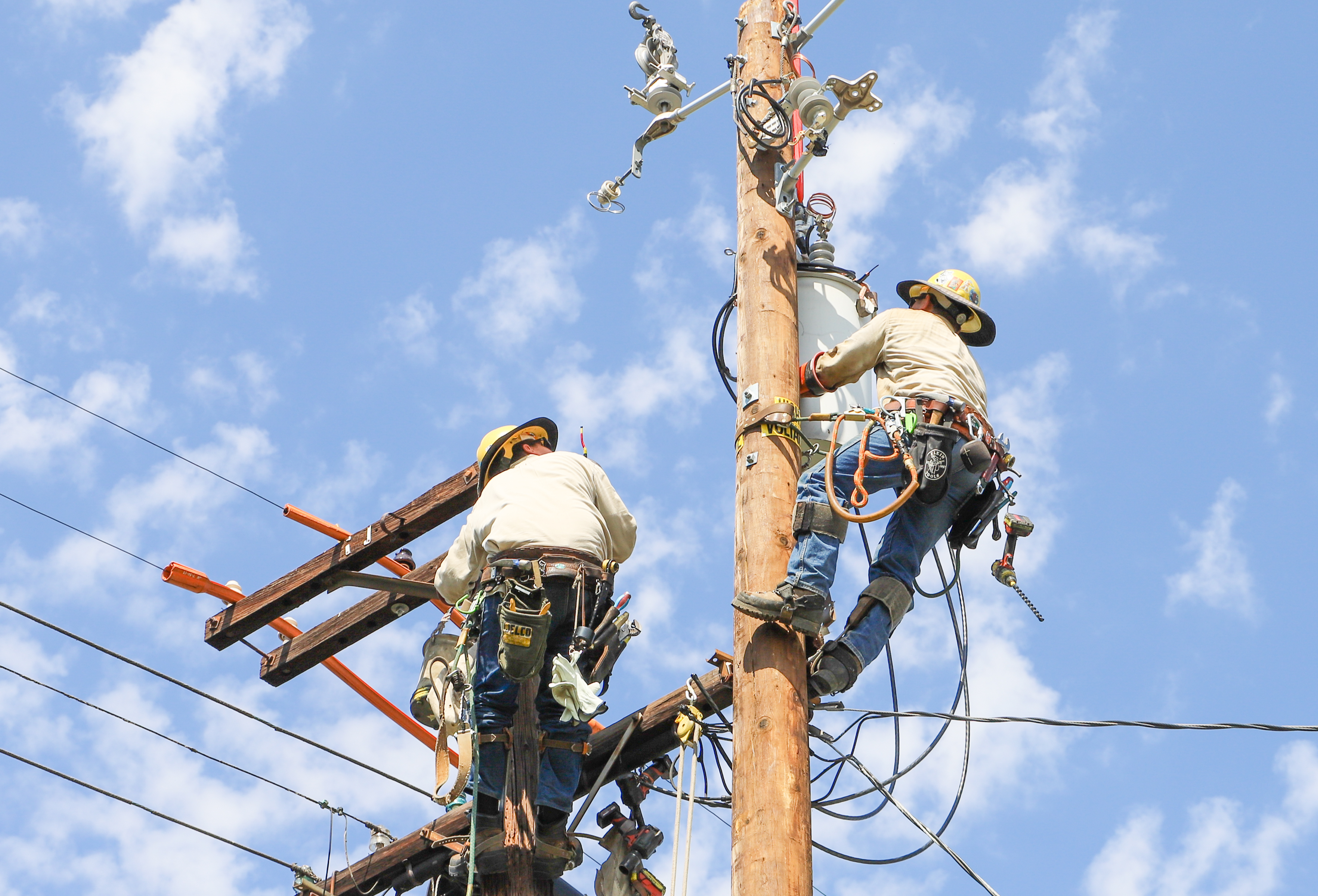
Phase 4 — Power is Moved from the 4 kV System to the 12 kV System
During a scheduled power outage, BWP will complete the remaining work required prior to re-energizing the electrical system at the higher 12 kV operating voltage.
All customers impacted by the outage will be notified in advance so they have time to prepare and make any necessary arrangements.
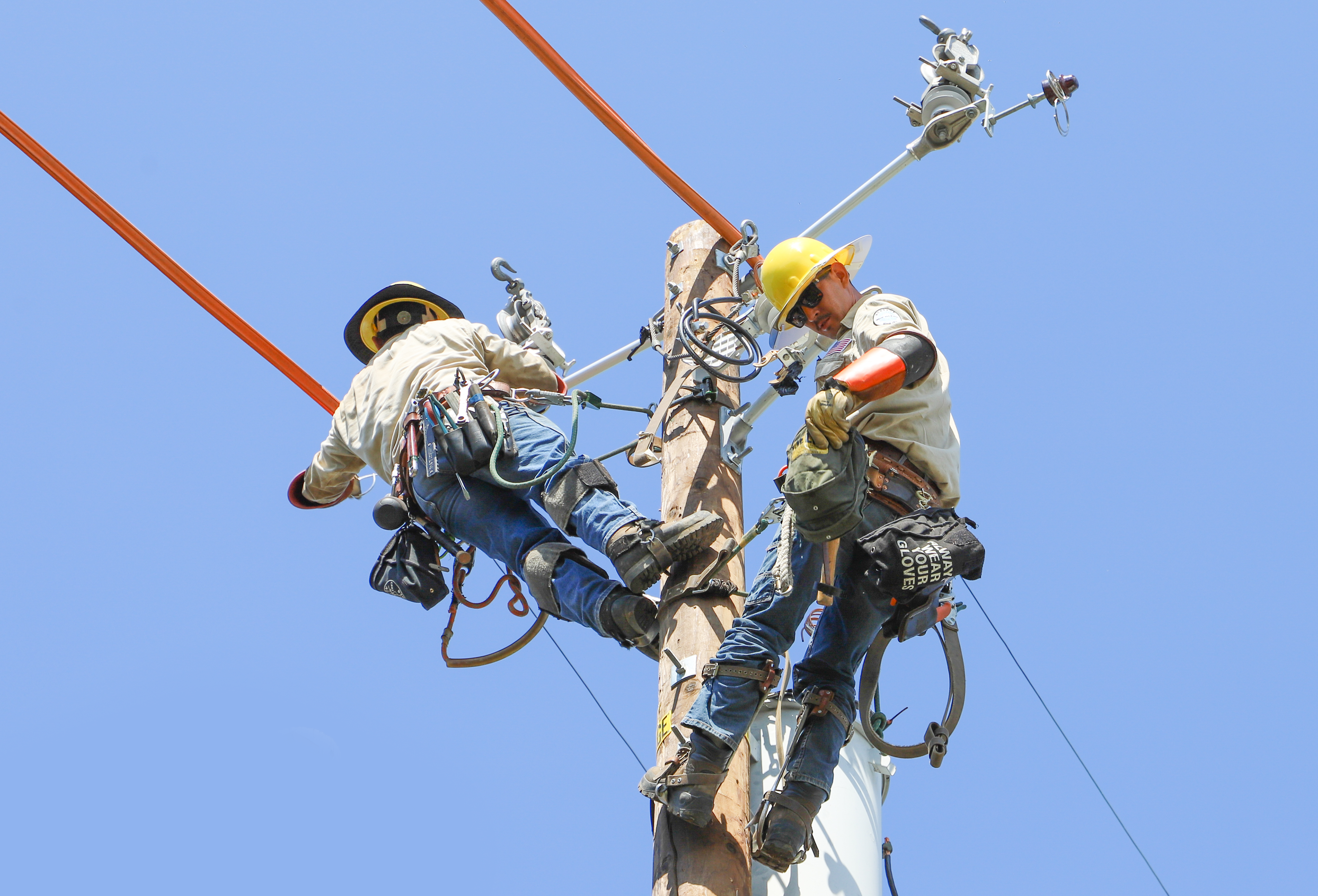
Removal of Old Poles and Fixtures
BWP staff will remove as much of the old power equipment as possible once the 12 kV upgrade is complete.
Some short utility poles may be left behind.
BWP shares ownership in many of its poles with telecommunication companies, such as AT&T. These poles belong to the telecommunications companies and will be removed by the telecommunication companies at a later date.
Removal of Old Poles and Fixtures
BWP staff will remove as much of the old power equipment as possible once the upgrade is complete. Some short utility poles may be left behind. BWP shares ownership in many of its poles with telecommunication companies, such as AT&T. These poles belong to the telecommunication companies and will be removed by the telecommunication companies at a later date.
Frequently Asked Questions
The Tier 2 HFTD refers to areas in Burbank that are at an elevated risk for wildfires, leading to the need for enhanced safety measures and infrastructure improvements. See the Wildfire Mitigation Plan for the Tier 2 HFTD boundary map.
BWP is and has been implementing a range of activities to mitigate the threat of power-line ignited wildfires. These activities are outlined in our Wildfire Mitigation Plan (WMP).
This project aligns with the WMP by addressing overhead electrical lines—a potential source of wildfire ignition—and implementing improvements in infrastructure.
Stay Connected
